…
…
Impact
Cacao is sold on beautiful words. A number is harder. Ask the one that matters, and this is ours.
Impact · The Cooperative
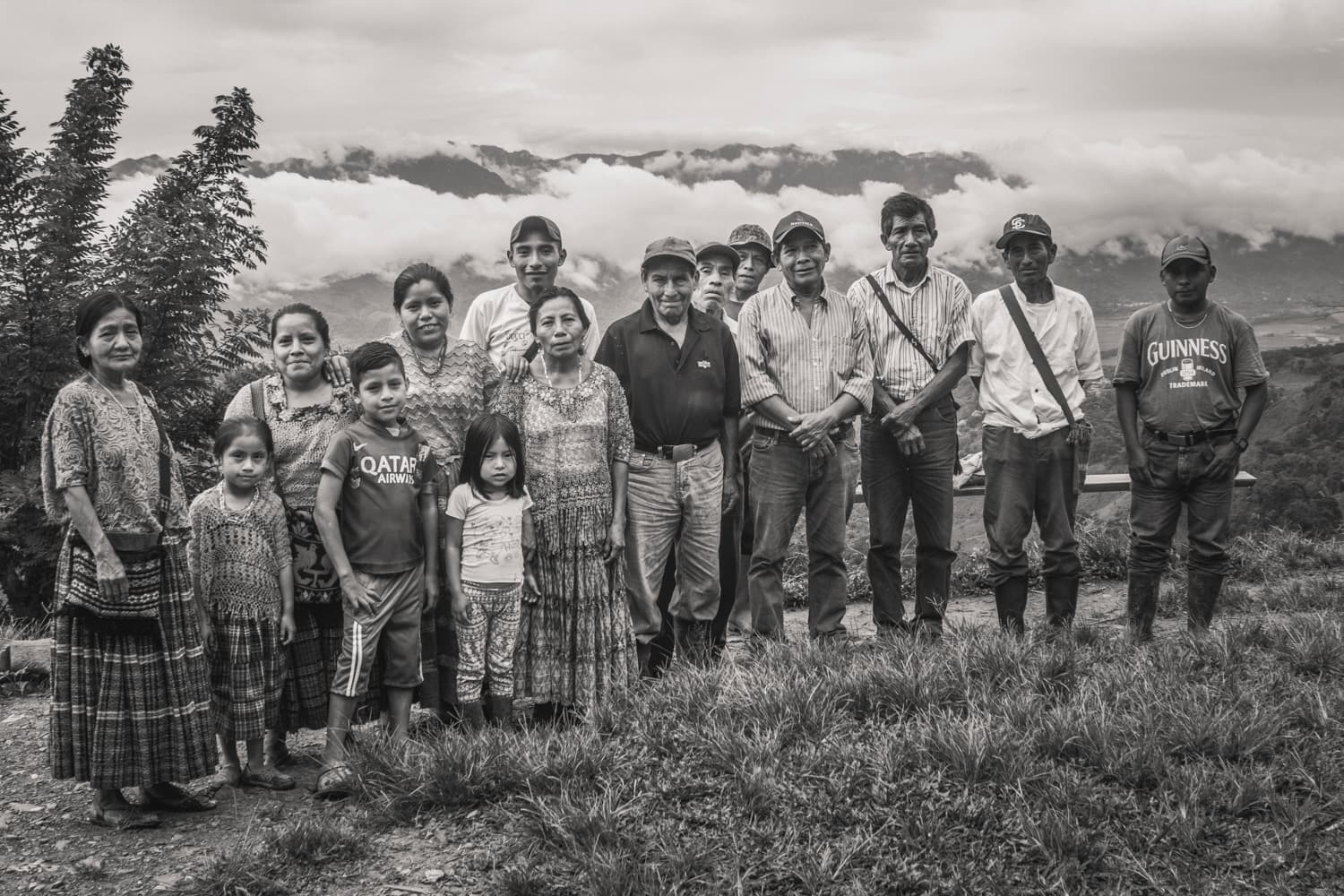
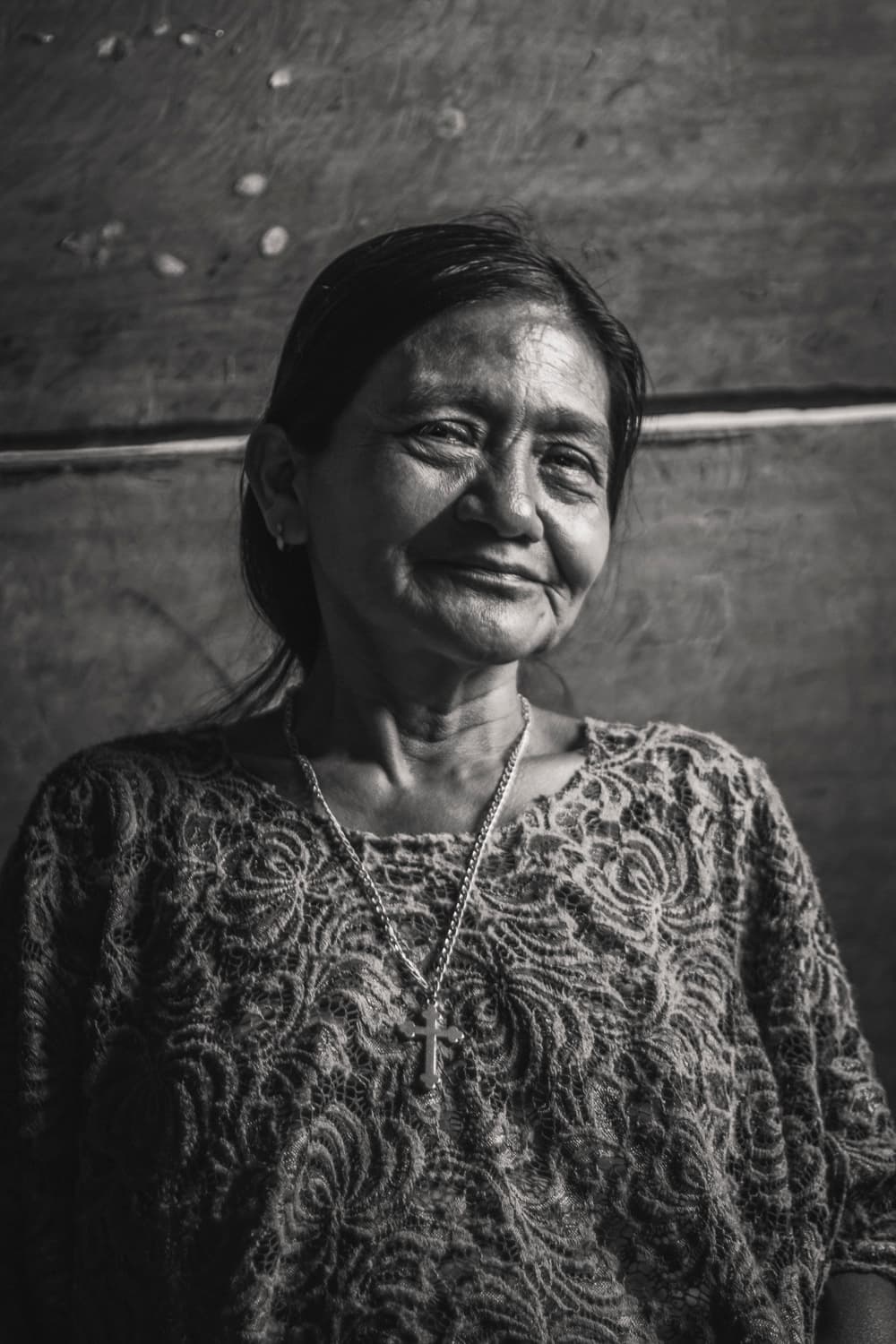
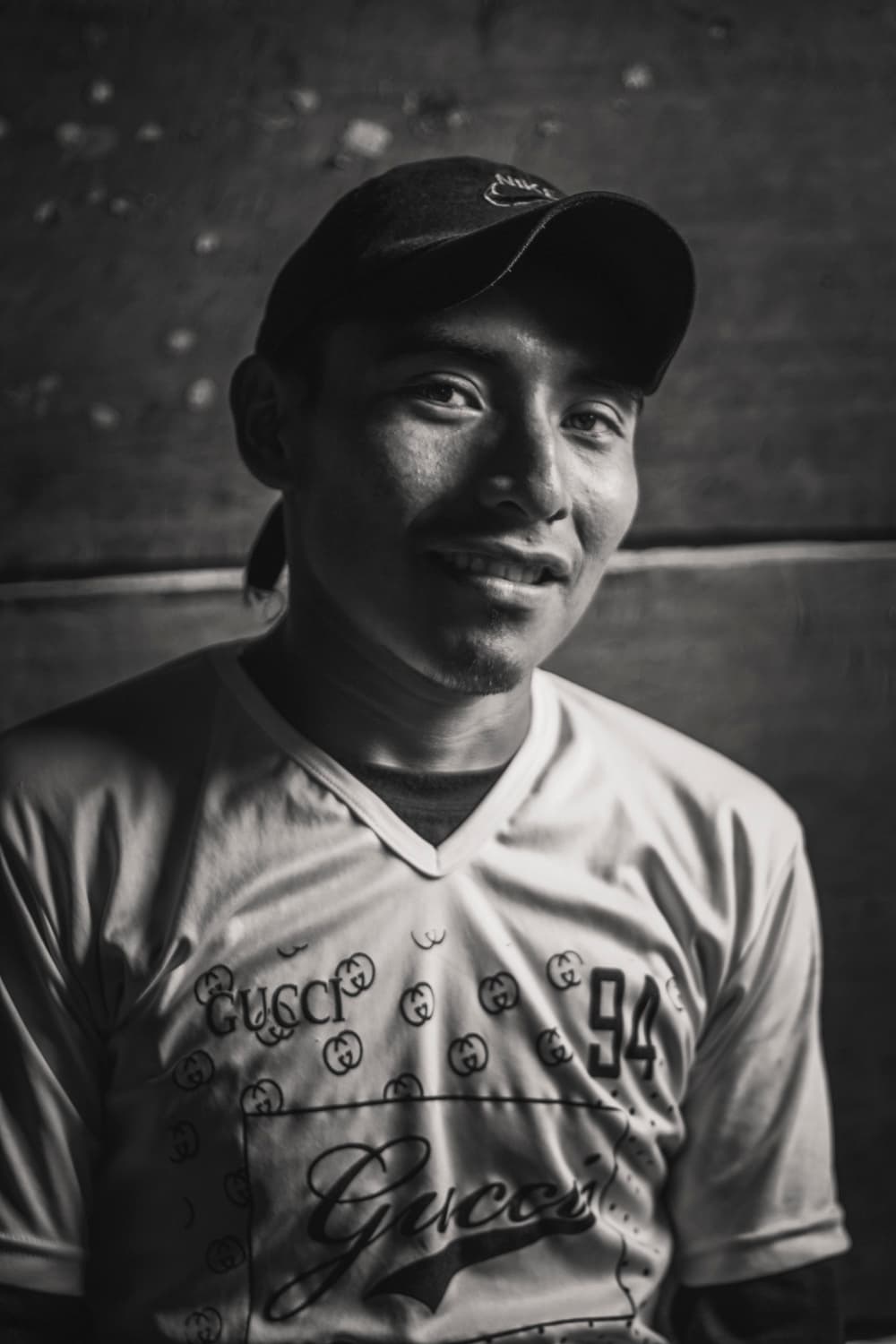
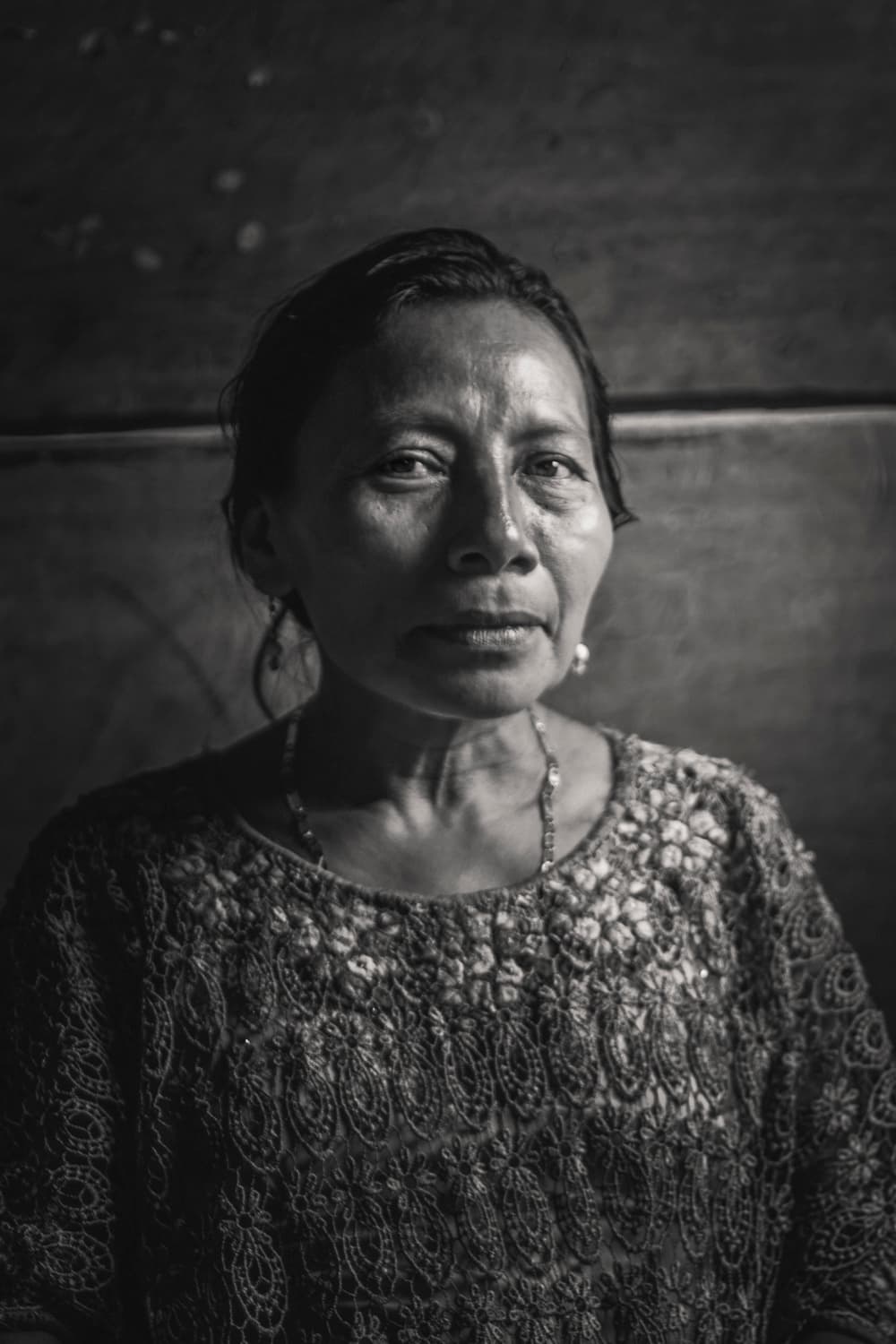
We buy from AJ ASIPASM, in the village of Jolomijix in Panzós, and from Fundalachua in La Chúa. We do not arrive with a fixed price and a spreadsheet: we buy through the association, on the terms it negotiates itself. They run their own fermentation house, their own drying beds and warehouse, keep their own production costs, and sell as one body instead of family by family.
Five years with the same cooperative, at the same fixed price, regardless of what the world market did.
Impact · The Land
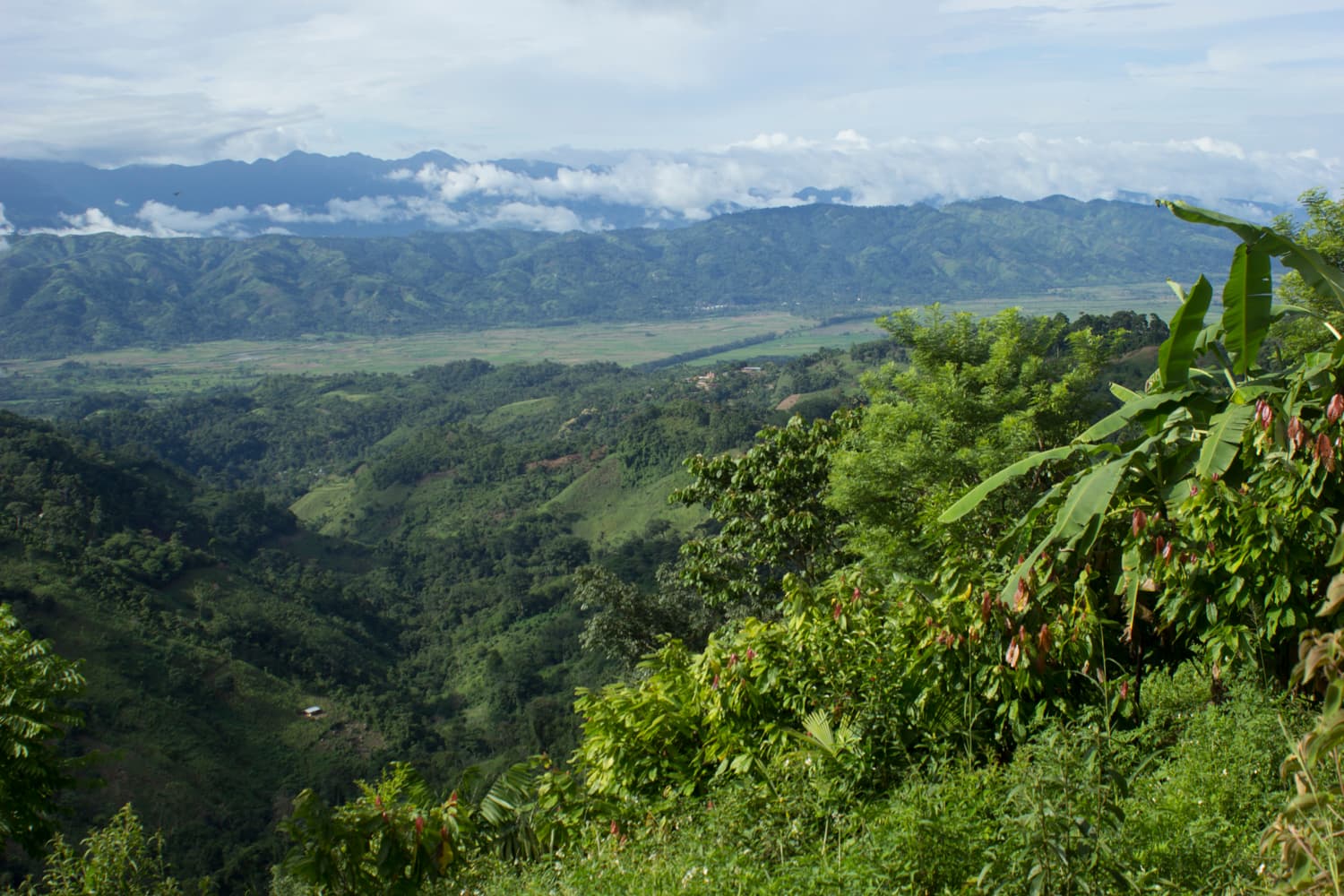
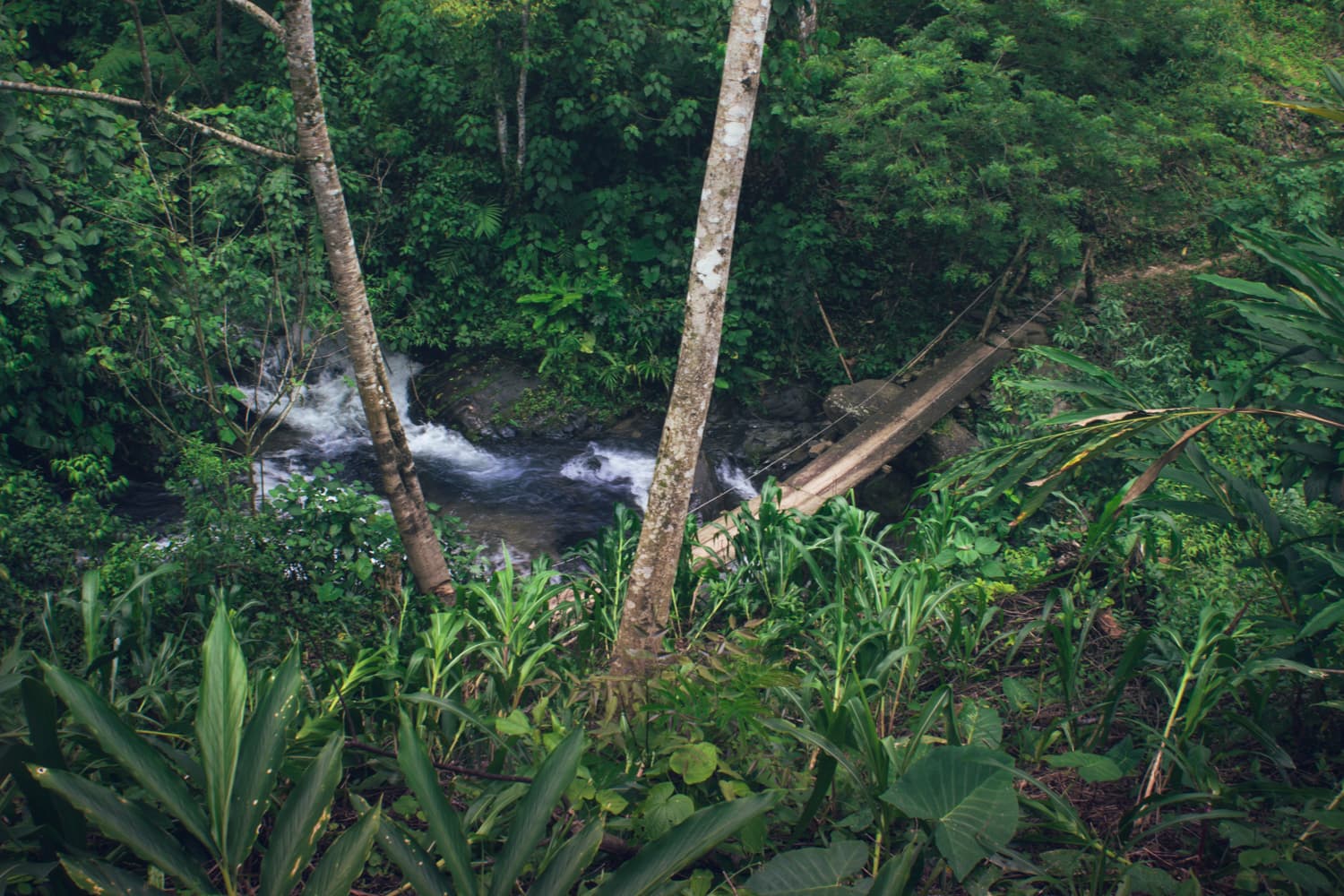
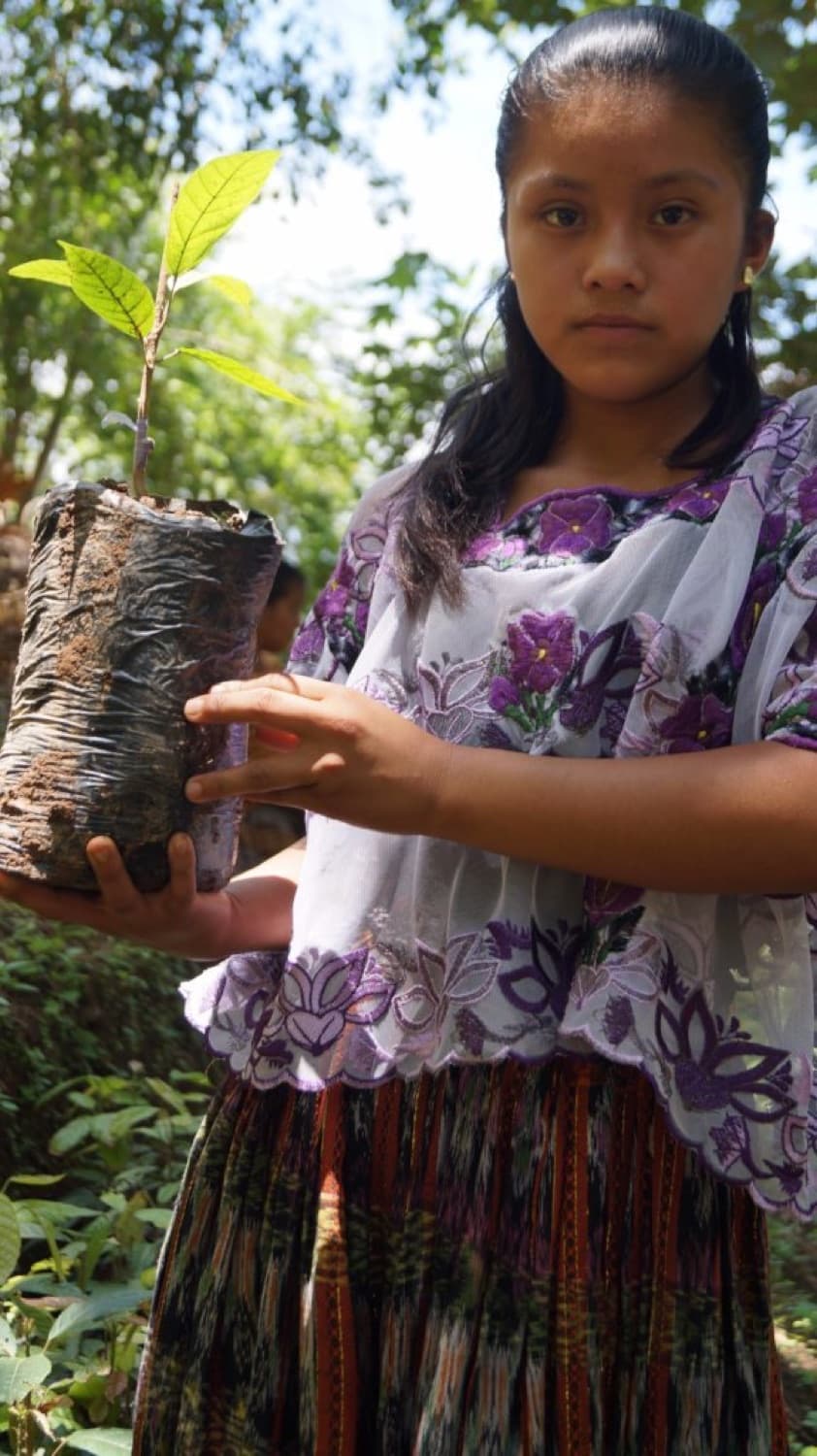
The plots sit inside the buffer zone of the Sierra de las Minas Biosphere Reserve, the largest cloud forest in Central America and the source of more than sixty rivers. It is the belt that decides whether the pressure of the valley reaches the forest, or stops here. The association was formed to put trees back on land that had been in maize and beans, and the agroforestry systems now average eighteen years old.
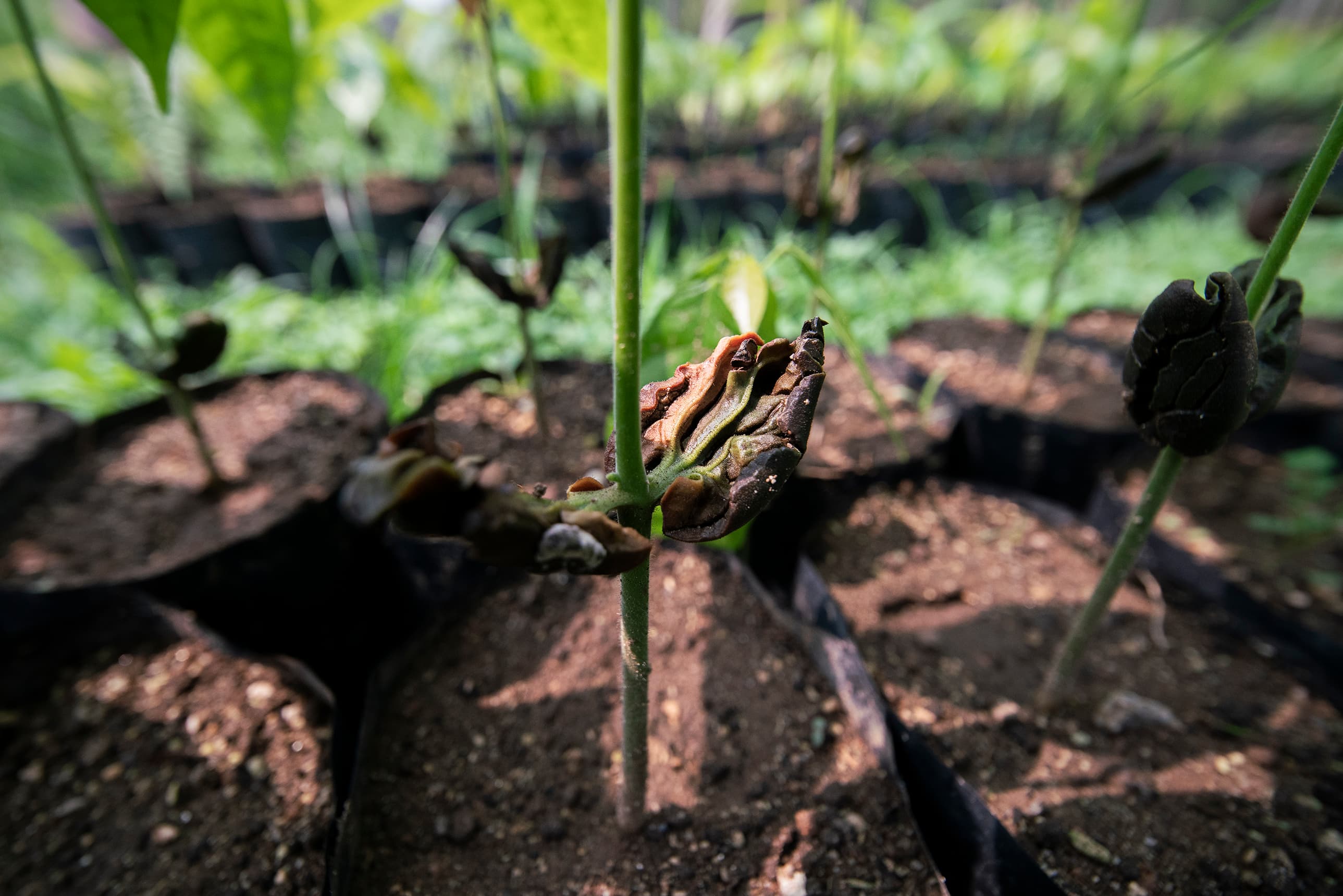
Cacao under shade yields about three quarters of what the same land gives in full sun. That quarter is the price of the forest, and we pay it through the price of the cacao: the day shade stops paying is the day the canopy comes down.
240,537
hectares of reserve
60+
rivers protected downstream
18 years
average age of the system
Impact · The Value Stays
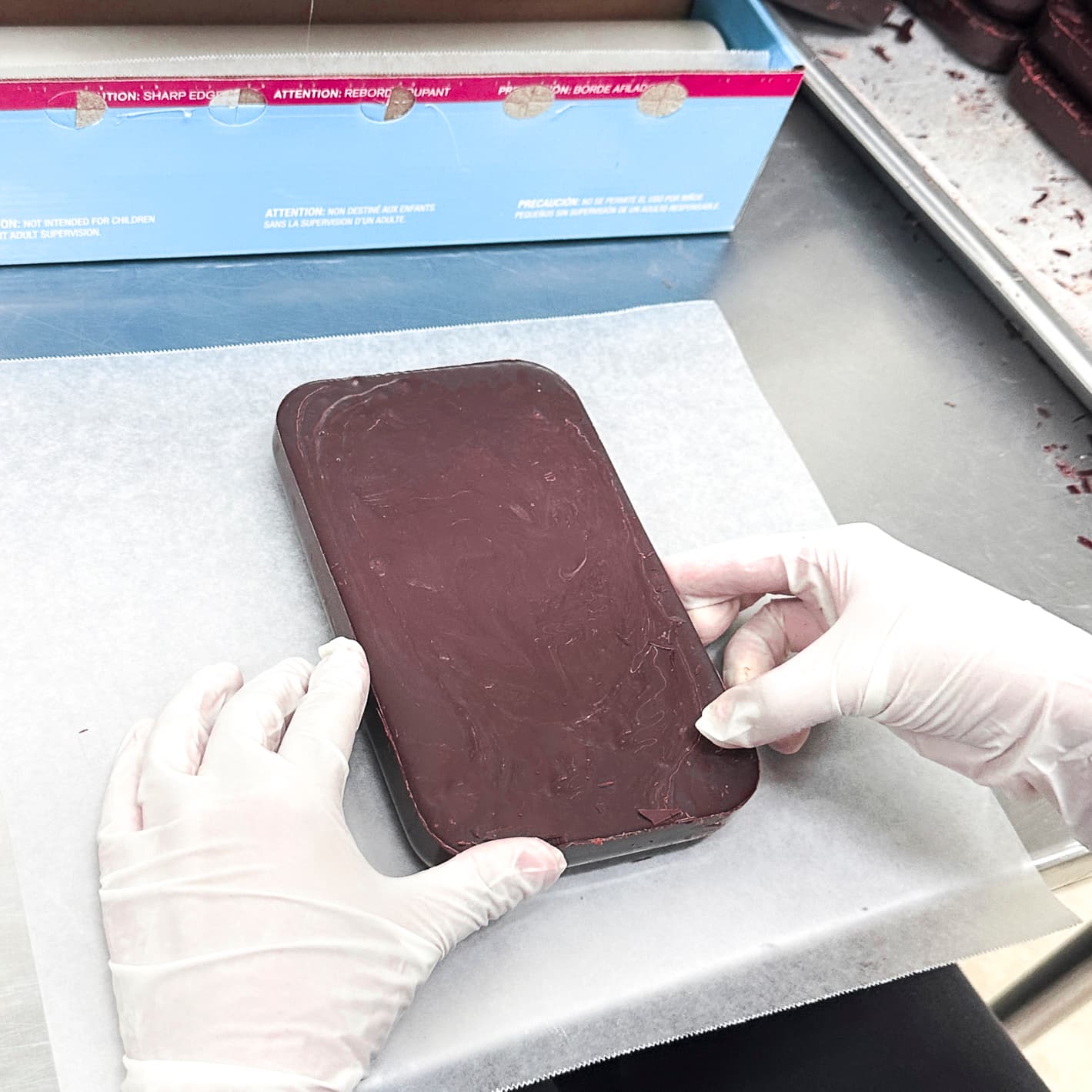
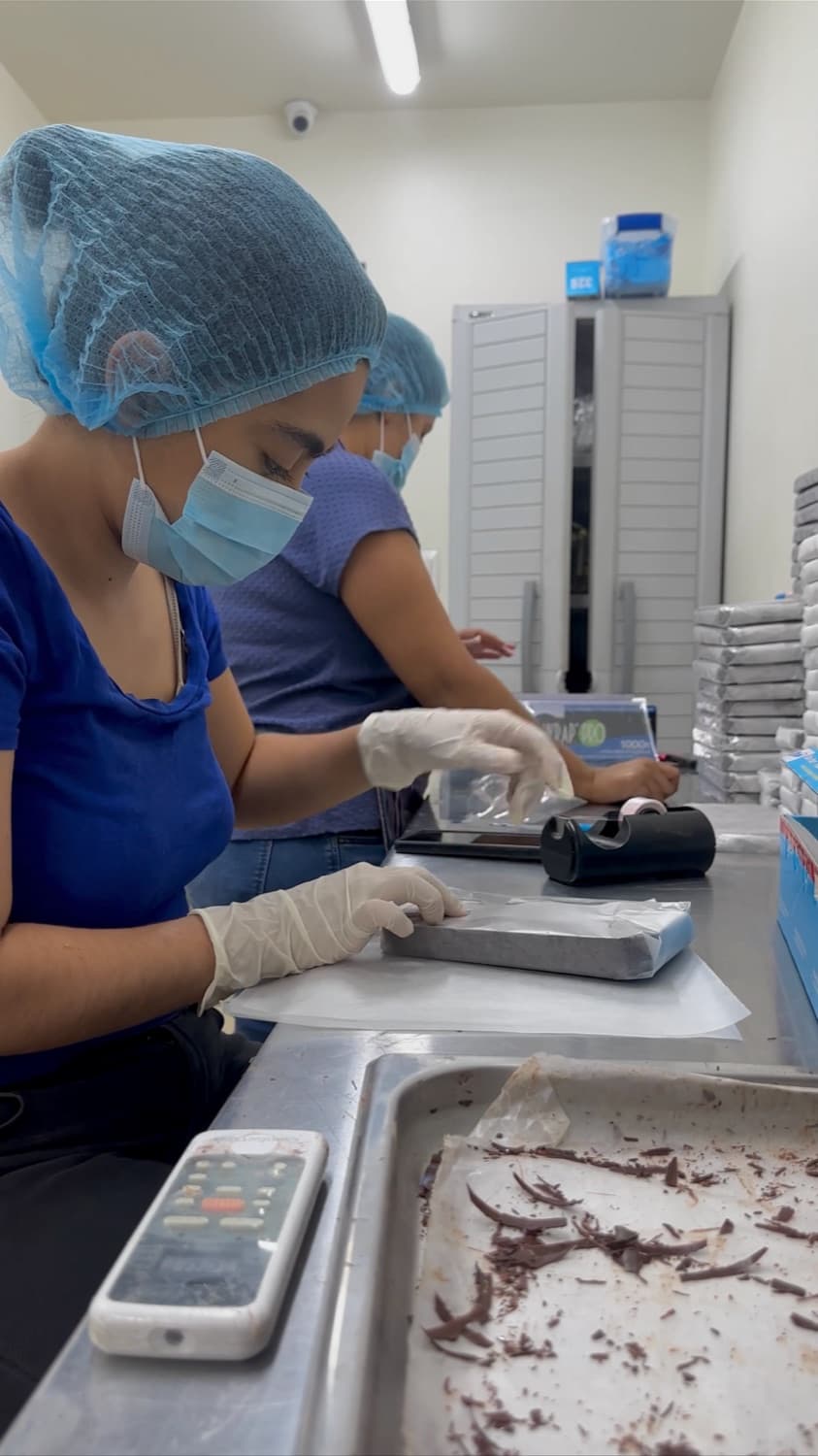
After the farm, the cacao is roasted, refined, tempered and packaged here, in Guatemala. That value, the part almost no origin country holds on to, gets reinvested in the same place the bean grew. Every bar that leaves the country already left as what it was going to be.
That builds something bigger than a brand: recognition and stability for Guatemalan cacao as a serious origin, not just a raw material.
See the full process →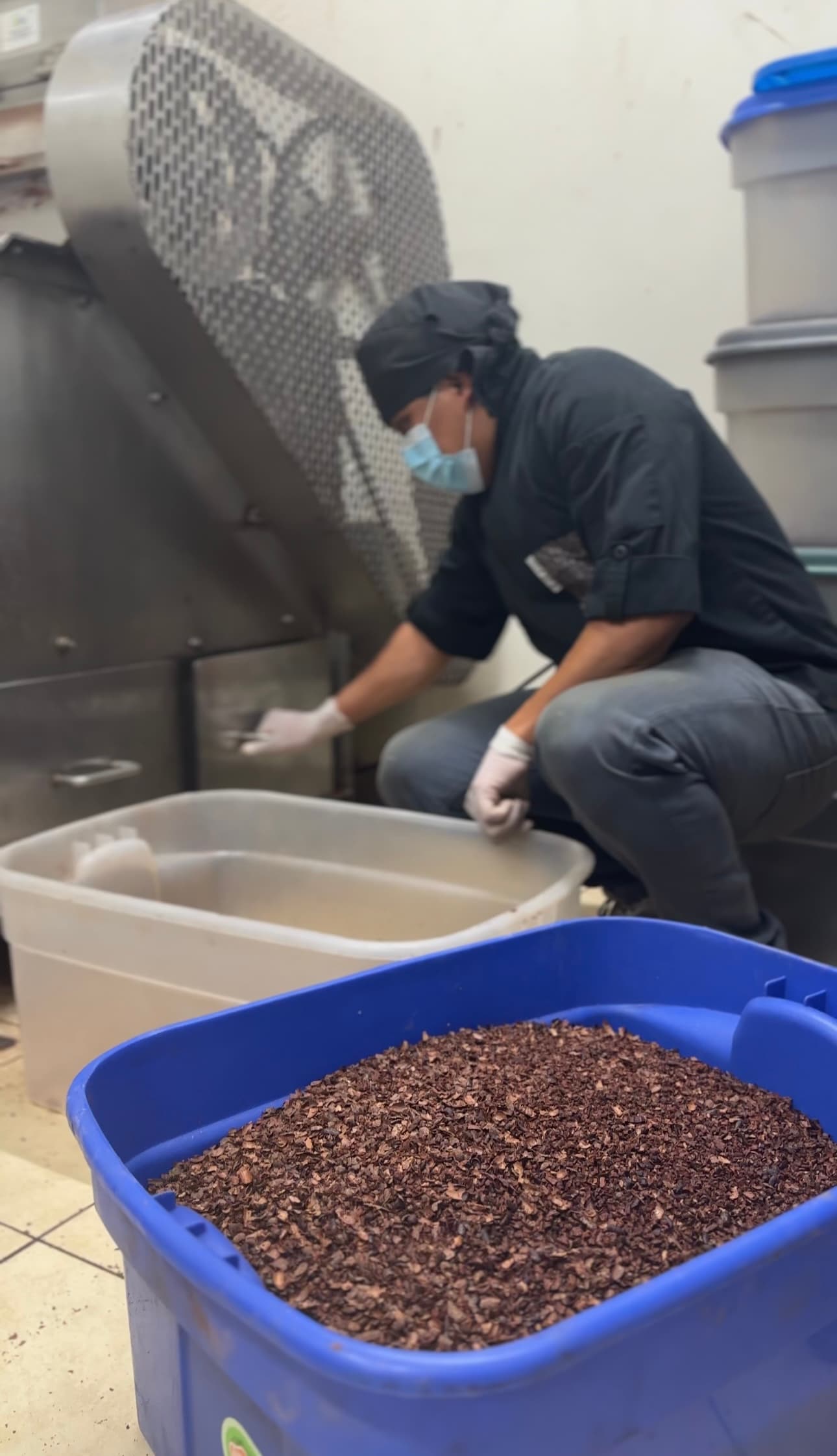
Impact · The Goal
Today we process in Guatemala so that value does not leave the country. The goal is to go one step further: for the same cooperatives that grow and protect the cacao to have their own processing industry and their own technical know-how, so the full value, not just the farmgate price, stays with the families who grow it.
We started by paying double. The next step is for them not to have to depend on someone else deciding to.
Paid directly, no middleman · held through the collapse of the world price
Paid directly to 180 Maya Q’eqchí families through their own association, AJ ASIPASM, in Alta Verapaz and the Polochic. The value stays where the cacao grew.
Maya Q’eqchí, paid direct
with the same cooperative
protects the Sierra de las Minas