
The Ethics of Cacao Production: Labor, Sustainability, and Fair Trade
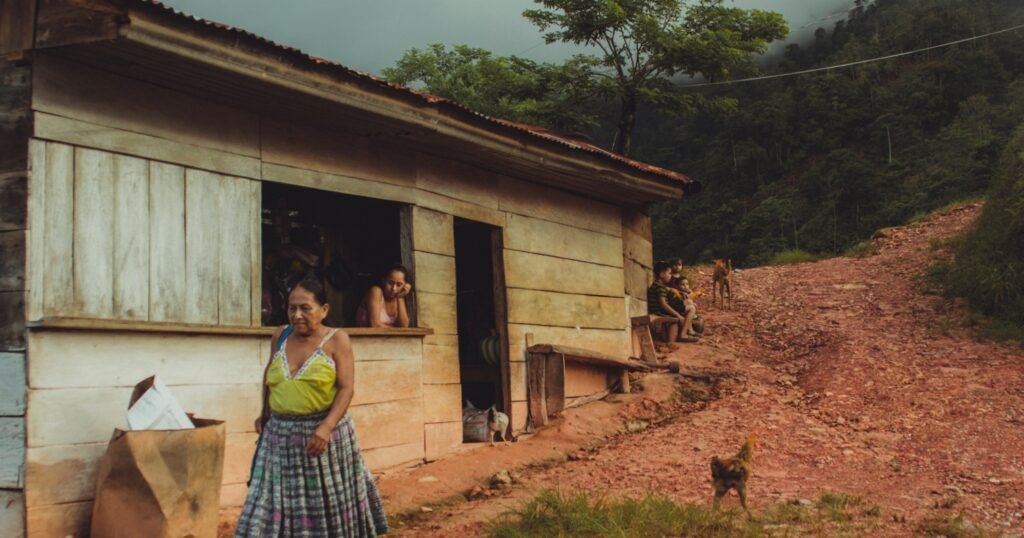
Cacao—the bean behind chocolate—is enjoyed by millions around the world. Yet behind this global industry lies a complex set of ethical challenges that affect farmers, ecosystems, and communities. The ethics of cacao production span critical issues including labor practices, environmental sustainability, fair trade, economic equity, and cultural preservation.
Understanding these challenges is essential for building a cacao industry that supports both people and the planet.
Labor Practices in the Cacao Industry
One of the most urgent ethical challenges in cacao production is the persistence of child labor and unsafe working conditions, particularly in major producing countries such as Ivory Coast and Ghana. These regions supply over half of the world’s cacao, yet many farming families remain trapped in cycles of poverty driven by volatile cacao prices and limited access to education, healthcare, and infrastructure.
It is important to distinguish between exploitative child labor, which is illegal and harmful, and age-appropriate family farm participation, which is common in smallholder agricultural systems worldwide. Ethical cacao production focuses on eliminating hazardous and coercive labor practices while supporting families through fair compensation, access to education, and long-term economic stability.
Addressing labor injustice requires restructuring how value is distributed across the cacao supply chain. Paying farmers living wages, investing in community development, and supporting farmer cooperatives are essential steps toward ensuring cacao is produced with dignity and respect for human rights.

Environmental Sustainability and Cacao Farming
Cacao farming is deeply connected to environmental health. When grown using industrial mono-cropping methods, cacao cultivation can contribute to deforestation, soil degradation, biodiversity loss, and increased vulnerability to climate change.
Ethical and sustainable cacao production prioritizes agroforestry systems, where cacao trees are grown under a diverse canopy of native shade trees. These systems:
- Improve soil fertility and moisture retention
- Protect biodiversity and wildlife habitats
- Reduce the need for chemical fertilizers and pesticides
- Increase resilience to rising temperatures and unpredictable rainfall
Shade-grown cacao benefits ecosystems and supports long-term productivity for farmers by creating more stable and climate-resilient farms. As climate pressures intensify, sustainable cacao farming practices are critical to the future of cacao itself.
Fair Trade and Economic Equity in Cacao
The global cacao market is marked by economic imbalance. While chocolate is a multi-billion-dollar industry, many cacao farmers live below the poverty line.
Fair trade cacao initiatives aim to correct this imbalance by:
- Ensuring fair and transparent pricing
- Providing premiums for community development
- Supporting farmer cooperatives and local infrastructure
Choosing fairly traded cacao directly supports farmer livelihoods and promotes greater economic equity across the supply chain.

Cultural Preservation and Indigenous Cacao Knowledge
Cacao has deep cultural roots in Mesoamerica and South America, where it has been cultivated and revered for thousands of years. Indigenous communities have preserved vital agricultural knowledge, seed diversity, and traditional cultivation methods.
Ethical cacao production respects this legacy by:
- Honoring Indigenous knowledge systems
- Involving local communities in decision-making
- Protecting land rights and cultural sovereignty
Cultural respect is an essential, often overlooked component of ethical cacao sourcing.
Transparency Beyond Certification
While third-party certifications such as Fair Trade and Rainforest Alliance provide helpful benchmarks, they do not fully capture the complexity of ethical cacao sourcing. Certification costs can exclude small-scale farmers, and standards alone do not guarantee fair pricing or long-term relationships.
True transparency in the cacao industry comes from direct relationships, clear sourcing practices, and accountability. Knowing where cacao is grown, how farmers are paid, and how decisions are made throughout the supply chain allows consumers to move beyond labels and engage with cacao in a more informed and responsible way.
Brands that prioritize transparency help shift the cacao industry toward systems built on trust, equity, and long-term partnership rather than extraction.
Conclusion: Building a More Ethical Future for Cacao
The ethics of cacao production are complex, interconnected, and impossible to separate from the future of the chocolate industry itself. From labor practices and environmental sustainability to fair trade, economic equity, cultural preservation, and supply chain transparency, each element plays a critical role in shaping whether cacao is produced in a way that supports people and the planet.
Ethical cacao sourcing is not achieved through a single certification or claim. It requires systemic change—fair compensation for farmers, sustainable farming practices that protect ecosystems, respect for Indigenous knowledge, and transparent relationships throughout the cacao supply chain. When these elements work together, cacao production becomes more resilient, equitable, and sustainable over the long term.
Consumers also play an important role. Choosing cacao sourced with intention, asking questions about origin and farming practices, and supporting brands committed to transparency helps shift demand toward more responsible systems. These choices contribute to a cacao industry where quality, ethics, and sustainability are aligned rather than in conflict.
As global demand for chocolate continues to grow, so does the responsibility to ensure that cacao production supports human dignity, environmental health, and cultural continuity. An ethical cacao industry is not only possible—it is essential for the future of cacao itself.


0 Comments