Guatemalan Cacao: Unveiling Its flavor, Heritage & sustainability
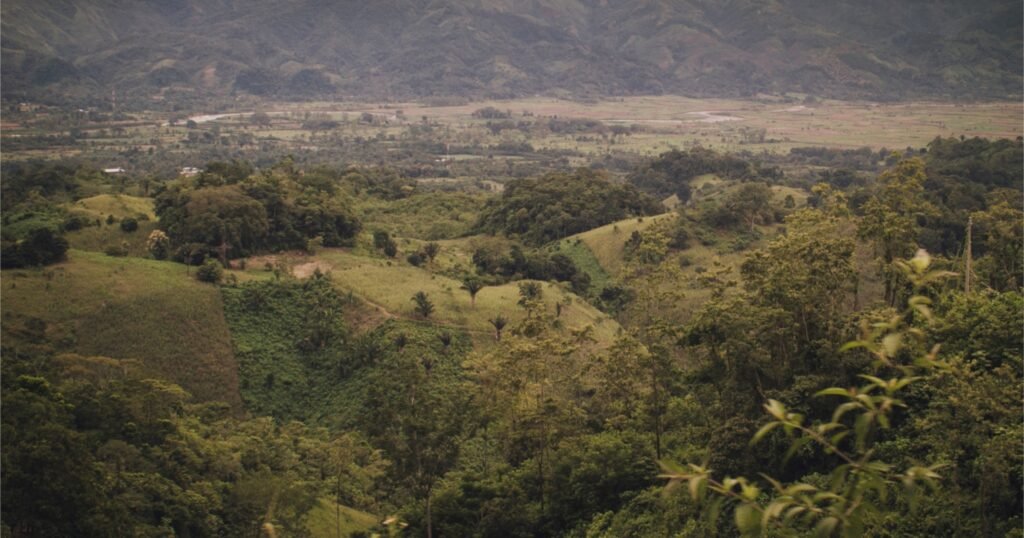
When it comes to cacao, conversations often center on origin, flavor complexity, and cultural significance. Few places embody all three as fully as Guatemala and Guatemalan cacao. With its dramatic landscapes, ancient agricultural traditions, and diverse microclimates, Guatemala has become one of the most compelling cacao origins in the world.
This article explores the depth of Guatemalan cacao from its native varieties and regional flavor profiles to its cultural roots, sustainability efforts, and growing role in the global artisanal chocolate movement.
Steeped in a lineage that traces back to the ancient Maya, Guatemalan cacao is gaining international recognition for its nuanced flavors, fine aroma, and the integrity of how it is grown and processed. Each bean carries the imprint of both land and lineage.
Guatemalan Cacao Varieties
Guatemala is home to several cacao varieties, each contributing to the country’s distinctive flavor spectrum and reputation for high-quality beans. These varieties reflect centuries of cultivation, adaptation, and cross-breeding shaped by local environments.
- Criollo: Often referred to as the “prince of cacao,” Criollo is prized for its delicate texture, low bitterness, and complex aromatic notes. Though less productive and more fragile than other varieties, it is highly valued for fine chocolate.
- Trinitario: A natural hybrid of Criollo and Forastero, Trinitario combines refined flavor with greater resilience. It offers balance—complexity without sacrificing yield—making it a favorite among craft chocolate makers.
- CCN-51: While not indigenous to Guatemala, CCN-51 is cultivated in select regions for its disease resistance and high productivity. When carefully fermented and roasted, it can contribute bold cocoa intensity.
Together, these varieties form the backbone of Guatemala’s evolving cacao landscape.
Flavor Profiles
One of the defining characteristics of Guatemalan cacao is its wide-ranging and expressive flavor profile. Influenced by altitude, soil composition, rainfall, and post-harvest techniques, the cacao can vary dramatically from region to region.
Common tasting notes include bright fruit, warm spice, subtle florals, and toasted nut undertones. Some regions produce cacao with citrus acidity and red fruit notes, while others lean toward deeper, earthier expressions. This diversity reflects Guatemala’s rich terroir and the careful stewardship of its farmers.
Cultural Heritage
Cacao holds deep cultural and spiritual significance in Guatemala, where it was revered by the Maya as both sustenance and sacred offering. It played a role in ceremonies, trade, and social life, symbolizing vitality, reciprocity, and connection to the natural world.
Today, cacao traditions continue through preparations such as chocolate atole and ceremonial drinks shared in community settings. The enduring presence of cacao in daily life reflects an unbroken thread between past and present, adding cultural depth to every cup and bar.
Sustainability in Guatemalan Cacao Farming
Across Guatemala, more cacao farmers are adopting sustainable and regenerative agricultural practices. These include shade-grown cacao systems that support forest canopies, organic cultivation methods, and diversified agroforestry that protects soil health.
By prioritizing ecological balance and ethical labor practices, these farms contribute to long-term environmental resilience while supporting farmer livelihoods. Sustainable cacao in Guatemala is a necessity for preserving biodiversity and future harvests.
Artisanal Chocolate
Guatemalan cacao has become increasingly sought after by artisanal chocolate makers around the world. Its complexity and traceability make it ideal for bean-to-bar production, where the nuances of origin are allowed to shine.
Craft chocolate made with Guatemalan cacao often emphasizes minimal processing, careful roasting, and transparent sourcing. The result is chocolate that tells a clear story of place, offering a refined and memorable tasting experience.
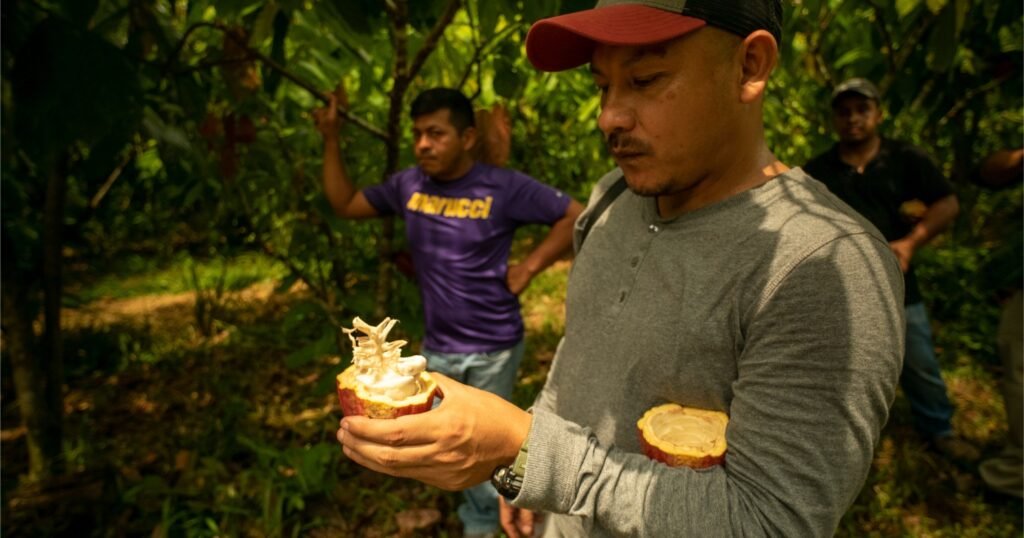
Cacao in Guatemala: Social Impact
Ethical cacao production plays a vital role in strengthening Guatemalan farming communities. Fair wages, safe working conditions, and long-term partnerships help create stability for cacao-growing families.
When cacao is produced with social responsibility at its core, it becomes a vehicle for economic resilience, cultural preservation, and community well-being. These values are increasingly recognized as essential to a truly sustainable cacao industry.
Challenges in Guatemalan Cacao Production
Despite its potential, cacao production in Guatemala faces ongoing challenges. Plant diseases, climate variability, and limited infrastructure can impact both yield and quality. Small-scale farmers are often the most affected.
Addressing these challenges requires investment in education, fermentation and processing facilities, and climate-resilient farming practices. Continued support and innovation are key to ensuring Guatemala’s cacao sector can thrive for generations to come.
Nantli Cacao: Savoring the Mission
Nantli Cacao is deeply rooted in Guatemala’s cacao traditions and landscapes. Our work is guided by respect—for the land, the farmers, and the cultural history that cacao carries.
Beyond crafting premium cacao products, Nantli is committed to ethical sourcing, regenerative practices, and honoring cacao’s ceremonial and cultural origins. Every offering reflects a relationship with place rather than a commodity mindset.
By choosing Nantli, you support a cacao system that values integrity from seed to cup. Each sip connects you to Guatemala’s living cacao heritage. You can learn more about our mission here.
In conclusion, Guatemalan cacao stands as a convergence of flavor, culture, and sustainability. As its presence grows within the artisanal chocolate world, it remains grounded in the traditions and ecosystems that shaped it. Exploring cacao through Nantli is an invitation to experience Guatemala through flavor, quality and story.


0 Comments