August 12, 2026 · 4 min read
The price that did not move
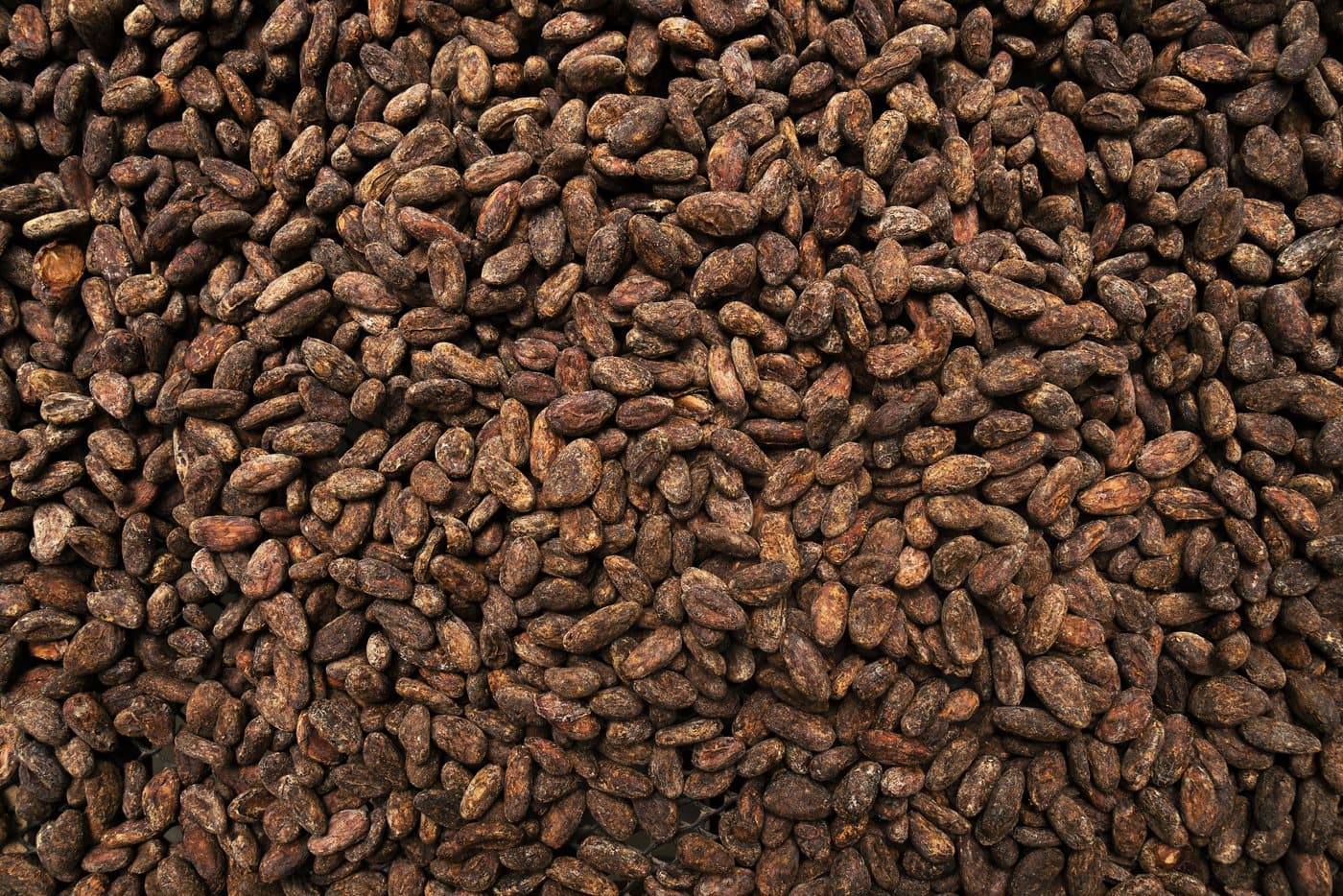
A cacao farmer usually finds out what the harvest is worth on the day it leaves the farm. The buyer arrives, weighs, and names a number. There is no second buyer further down the road, and the beans do not wait forever.
What the middle costs
Guatemala’s own agriculture ministry put numbers to that channel. In its cacao strategy it documented private intermediaries paying around Q800 per quintal at the farm gate, while an exporter buying on published terms in the same region paid between Q1,100 and Q1,500. That data is from 2015 and prices have moved a great deal since, but the shape of it has not: the further the farmer sits from the buyer, the smaller the share.
What we pay
We buy at Q90 per kilo of fermented, dried bean, direct from the Q’eqchi’ families of the AJ ASIPASM association in the Polochic valley. Nobody sits in between, and that is the only reason a number that size is possible at all.
The part that matters more than the number
Between 2024 and 2026 the world price did something violent. It hit a record at the end of 2024, and by early 2026 it had fallen to less than a quarter of that peak. Farmgate prices across West Africa were cut hard on the way down. Ours did not move. The families were paid Q90 at the top of the market and at the bottom of it.
A price that only holds while the market is kind is not a commitment, it is a coincidence.
Why the trees make it harder
The cacao grows under shade, inside standing forest rather than in cleared rows. Across the available research, shade costs roughly a quarter of the yield compared with full sun. That cost is real and the grower carries it. A fixed price is what makes carrying it survivable.
What this is not
This is not charity and we do not want it read as charity. It is what a supply chain costs when nobody is being squeezed to subsidise it. The cacao is better for it, and so is the reason it exists.