
Are Cocoa and Cacao the Same Thing? Differences in Processing, Health, and Quality
Cocoa and cacao are often spoken about as if they are the same thing. In grocery stores, recipes, and even wellness conversations, the words are frequently used interchangeably.
While both come from the same plant—the cacao tree (Theobroma cacao)—they are not the same in how they are processed, how they taste, or what remains intact in the final product.
The difference matters. Especially if you care about quality, sourcing, and the integrity of the cacao itself.
What Is the Difference Between Cocoa and Cacao?
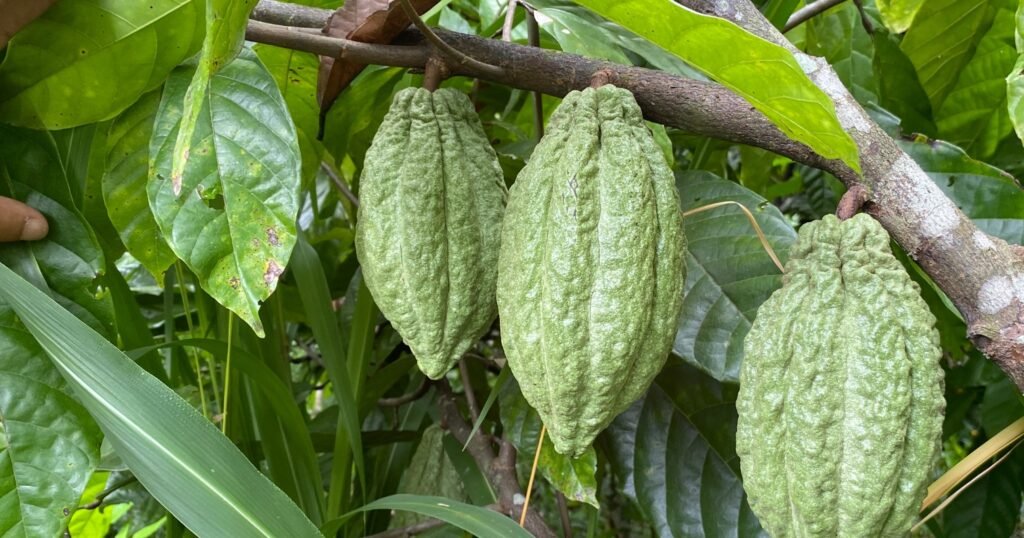
Both cacao and cocoa start the same way: cacao pods are harvested, the beans are removed, fermented, and dried. This early stage is essential for flavor development and happens regardless of whether the beans will become cacao or cocoa.
The real divergence begins after drying, during roasting and processing.
Cacao is typically processed at lower temperatures or with minimal roasting. The intention is preservation—of flavor, aroma, and naturally occurring compounds within the bean.
Cocoa, by contrast, is usually roasted at higher temperatures. In many cases, it is also alkalized (a process known as Dutch processing) to reduce acidity, darken color, and create a more uniform, shelf-stable product. These steps make cocoa predictable and easy to use at scale, but they also fundamentally change the bean.
Why Processing Temperature Matters for Cacao and Cocoa
Heat changes chemistry.
Scientific research shows that high-temperature roasting and alkalization significantly reduce flavanol content in cacao beans. Flavanols are part of the polyphenol family—plant compounds that have been studied for their antioxidant activity and role in vascular function. Dutch-processed cocoa, in particular, contains far fewer flavanols than minimally processed cacao.
This is one of the main reasons cacao is considered the healthier option. The chemical compounds that give you the euphoric and uplifting feel remain in tact when the cacao is processed at lower temperatures.

Is Cacao Healthier Than Cocoa?
When cacao is processed with care, more of its naturally occurring compounds remain intact. Compounds that are intrinsic to the bean itself.
Some of the most notable include:
- Flavanols, which are sensitive to heat and reduced through roasting and alkalization
- Theobromine, a gentle stimulant that supports alertness without the sharp spike associated with caffeine
- Magnesium, a mineral involved in muscle function, nervous system regulation, and energy metabolism
- Phenethylamine (PEA), a compound associated with mood and focus that is more likely to remain present in less processed cacao
Cocoa powder—especially when alkalized—may still contain some of these compounds, but in significantly lower amounts due to processing intensity.
Is 100% Cocoa Powder the Same as Cacao?
Even when a label says “100%,” cocoa powder and cacao powder are not the same.
Both are unsweetened and made from cacao beans, but the difference lies in how those beans were treated before being ground. Cocoa powder comes from beans that have been roasted at higher temperatures, often with additional processing to standardize flavor and color. Cacao powder is simply ground cacao nibs with gentle heat exposure in the grinding process.
Why People Choose Cacao Over Cocoa
People who choose cacao often do so intentionally. They are looking for:
- Minimal processing
- Greater retention of natural compounds
- A clearer expression of origin and terroir
- Alignment with traditional and artisanal preparation methods
Cacao is is a different relationship to the bean entirely. If cacao is a minimally processed expression of the bean, then cocoa is a highly processed product designed for consistency and scale.
Cacao, Culture, and Intentional Processing
In cacao-producing regions such as Guatemala, cacao has historically been processed with patience and care—fermented properly, dried slowly, and prepared fresh. These methods were developed to preserve flavor, vitality, and connection to the land, not to optimize for mass production.
Industrial cocoa prioritizes efficiency, consistency, and shelf life. Artisanal cacao prioritizes integrity.
How to Choose Between Cocoa and Cacao
If your priority is baking uniformity and convenience, cocoa may serve you well. If your priority is compound preservation, flavor complexity, and intentional processing, cacao is the clearer choice.
The difference is not semantic. It is chemical, cultural, and practical.
In Closing
Cacao is widely considered healthier than cocoa because it is typically processed at lower temperatures and with greater restraint. This allows more of the bean’s naturally occurring compounds—flavanols, theobromine, minerals—to remain intact.
Choosing cacao is a choice for intentional processing, deeper flavor, and respect for the plant itself. Shop Nantli now and begin building your relationship with cacao!

0 Comments